

You don’t have to say yes to every project. Some may run counter to your values — trust your instinct and be comfortable in saying no. These occasions are a valuable way to be clear on what you stand for. Your values, interests and the types of people you are comfortable in working with and for. These occasions where you do say no to a potential opportunity serve as a mirror. This mirror reflects your tenacity in sticking to your guns and self-respect.
Listen to your gut and also do your homework
It may be an interview where you feel uncomfortable; you may not be able to put your finger on it. The person you are speaking with me give you the creeps. You might feel uncomfortable sensations in your body or tightness in your chest or breathing. While this is a tenuous parallel, what about stories of potential victims who listened to their gut when encountering a serial killer? They reaped the biggest windfall of all from doing so — the chance to continue their life.
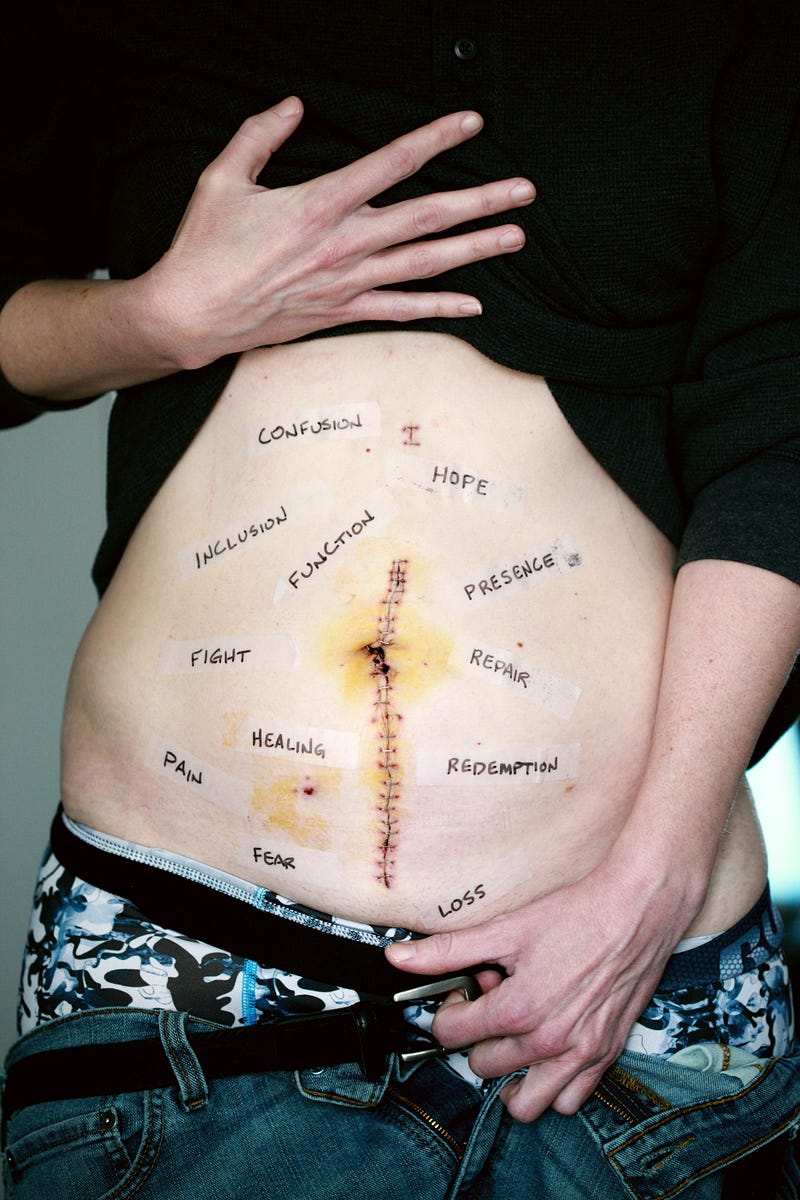
Your body sometimes tells you more than any overt signals from the person you’re speaking with. Your body (and some overt signals) will highlight red flags to be aware of. This happens before you take a toxic job, while you are in it, and how it is healing when you leave.
It could be that you have already done your homework on the person or organisation that you might work for. There could be a feeling of dread, or your mind races to address any potential dissonance. This dissonance could be with the seniority of the role, the money on offer or culture. You may find that meeting with this individual reinforces that dissonance.
This article is for project professionals. You may work in either organisational change management, project management or business analysis. Yet what I share about my experience applies to any business professional. An organisation was planning a significant change and needed someone to support the change delivery. I was delighted to have an up-and-coming interview for an instrumental role in this change. I had done my homework on the organisation and learned helpful insights about their leaders and presumably their culture. One leader had their own YouTube channel, and what I found on that channel signalled their personality. Let’s say I was unimpressed by what I saw but decided to interview anyway. The change in question needed someone reasonably practical and highly experienced. The change was complicated and fast-paced — sounds like my kind of professional fun. I liked the idea of a challenge and wanted to scope out what was in store.
Red flags
The interview itself started well. The leader explained the change in more detail. The first red flag showed itself. The incumbent would be running to catch up from the first day. There had been turnover in the position I was interviewing for. No biggie. Yet, the leader made it clear that whoever landed this role was already one month behind from day one. Not a show-stopper, but not the best start either. What made it a red flag: it did sound like this leader would not be sympathetic.
Red flag # 2: The interviewer’s personality was like the leader with the unimpressive YouTube channel. I won’t expand on what I found unimpressive. As a practical takeaway, understand and look out for three things that may signal problematic times ahead. Does your future manager exhibit signs of the so-called dark triad: Machiavellianism, psychopathy or narcissism? If so, you are unlikely to change these people. They may have a charming front, especially in the interview.
As with poisonous flowers, sometimes people with the brightest colours are ones to watch out for. Others with the dark triad aren’t as charming either; in this case, listen to your body — how does this person make you feel?
Bear in mind that you have the dark triad in you — so do I. A little ain’t a bad thing. A little gives us a lot. For instance, the cunning and acting skills to navigate organisational waters — Machiavellianism. The ruthlessness to make the right decisions (when impulsivity is toned down) — Psychopathy. Let’s not forget the ego to want to do better in life — Narcissism. Leaders with small and healthy doses help us rise. But at what point do we draw the line, and conclude that their traits won’t get the best from us?

The third red flag: how the leader presented their approach to the change. This red flag stood out from others. As a positive, the interviewer presented a solid top-down plan. The leadership team had signed off this enormous change. Timelines were aggressive but not impossible. What the organisation was moving toward was unclear. What was clear was one thing: no consulting middle management, let alone employees on the change. The organisation was intent on ripping out fundamentals. OK, these fundamentals needed replacing. What horrified me: they planned to jam in the cheapest solutions. This meant both inexpensive and technically easy-to-implement.
Values: Compromised
This touches on important principles and values for change professionals worth their salt. We work with organisations and their people, not ram change in. I work to help organisations realise thoughtful and sustainable change. What about time for signposting changes ahead, training people and empowering first-line support teams? Let alone any time or resourcing for other ways to calmly, smoothly roll outchange.
After walking me through this plan, the leader looked quite triumphant and asked for my opinion. I sensed that I was expected to clap wildly and say how terrific this plan was. But it was missing a crucial bottom-up component. There was no data or points suggesting employees or middle manager consultation.
Bite my lip and regret… or speak up?
I understand “politics 101”, and often am confident of the politically-correct answer in a social situation like this one. Yet as a change leader I often need to frame “bad” or indelicate news. So I diplomatically suggested the need for a bottom-up perspective on the plan. I was happy to support this much-needed piece to strengthen an already-logical plan.
My answer brought about red flag # 4: their response. The leader was also diplomatic, asking if they could be candid with me. When I said yes, this opened the gate to a mild insult about my professional background. I guess this was a form of rebuke, and the conversation quickly moved on. I observed their first response to feedback was to side-step and insult, rather than take this feedback with an open mind. Or “becoming aggressive after feedback/devaluing the source”.
While I was laughing on the inside at the interesting approach this leader took to receiving feedback, I also felt relieved. I knew at this point that there would be no ongoing work relationship with this individual. When a relationship fails, I often wonder the type of person this individual needs to be with. This is where my thinking was during the rest of the interview. I wondered about the type of change professional that would work well with this leader. To me, it wasn’t a change professional at all but someone subservient and would take the blame for projects being behind schedule. They would be the whipping boy or girl for furious middle management who were experiencing change being rammed into their organisation.
But it didn’t stop there. The last red flag in this short meeting reinforced what my body and mind told me earlier on. I was told that this busy leader would be interviewing around ten people this week, and it made it sound like a privilege that I had met this person.
So what happened?
All up, it was interesting to learn more about this organisation and the leader's approach. I remained curious throughout the interview. I was also glad to have done my homework on the organisation’s financials and history beforehand. Despite all these red flags, I remained respectful and professional at all times. As a recruiting firm acted as an intermediary, I calmly told them that I would not proceed with my application. This way, they could save face in front of this organisation. A savvy recruiter may say that I’d been given an offer elsewhere (or some other excuse). The recruiter might not have been impressed by my tapping out, although they didn’t make this obvious to me. Yet during the interview, I listened to the tightness in my chest and other bodily sensations. Each signalled how “off” the organisation’s approach and the interviewer was to me.

I felt incredible relief when I got off the phone to the recruiter having made my decision. That relief still stands, and if anything, the experience helps me confirm my worth as a change professional. I tend to operate in demanding circumstances and have to “clean up” some tricky situations. I am far from precious yet have learned from bitter experience to listen to my instincts. Could this organisation have been an excellent environment? Could the person I interviewed turn out to be an outstanding leader? Both are possible.
Yet why take the chance when other opportunities don’t invite so much doubt?
Some projects are challenging, but I know from the start that the project will end well despite obstacles. I love the challenge of helping stakeholders, even when they are prickly. Some leaders can be volatile yet ultimately have your best interests at heart. While they don’t suffer fools, they can respect your work ethic and give you leeway to get your work done. I have picked up signals in my interview with these types of leaders. Even though I say yes and cop the odd scratch from these “good lions”, my experience has taught me to differentiate these good lions from bad ones.
Enjoyed this article? Please clap and share.
Learned from our work and want to explore? Our book — The Change Manager’s Companion — is available now. You can also check out our online course on Change Management.